


Which water environments can be paddled in?

Environmental definitions is a term coined by Paddle UK to define certain aspects of paddling environments to help frame the responsibilities and working remits for coaches and leaders.
While there may some scenarios that don’t fit neatly into a category, they still provide a useful framework to categorise paddling environments.
There are 4 primary environment categories:
Very Sheltered Water: These are quiet canals with easy bankside access and egress; small lakes, which are not large enough and do not have difficult landing, where problems could occur if there is a sudden change in conditions; gentle, slow-moving rivers. The definition implies weather conditions that are not in themselves likely to cause problems.
At any point, the paddler should not be more than 50 metres from the bank. Enclosed swimming pools are also defined as very sheltered water environments.
On the water you would expect to see very small waves of 4 inches
The number of single craft a deployer can take out alone is 8.

Sheltered Water: Ungraded sections of slow-moving rivers where the group could paddle upstream against the flow (not involving the shooting of, or playing on, weirs or running rapids). Areas of open water (e.g. lakes and lochs) where the paddlers are no more than 200 metres offshore and the wind strength does not exceed Beaufort force 3 (13mph), avoiding the group being swept/blown out of the safe working area.
Slow moving estuaries (less than 0.5 Knots). Examples: Small enclosed bays, enclosed harbours where there is minimal possibility of being blown offshore, defined beaches with easy places to land throughout, no tide races, overfalls or surf.
On the water you would expect to see waves up to 18 inches with no white crests
The number of single craft a deployer can take out alone is 8.
Moderate Water: Inland: Large areas of open water that exceed the sheltered water definition, where the paddlers are no more than 500 metres offshore and in wind strengths that do not exceed Beaufort force 4 (18mph).
White Water: Grade 2(3) white water or equivalent weirs.
Sea: A stretch of coastline with some areas where it is not easy to land but there will always be straightforward land points a maximum of two nautical miles apart. Crossings not exceeding two nautical miles. Up to 2 Knots of tide (but not involving tide race or overfalls). Wind strengths do not exceed Beaufort force 4. Launching and landing through surf (up to 1 metre, trough to crest height).
Surf: Sections of sandy beaches free from significant hazard (e.g. rocks and strong rips) and easy access. Gentle, sloping and spilling waves, preferably peeling. Not pitching or dumping. Wave height should be no more than double overhead when seated in a kayak in the trough of the wave (head high for a stand up paddlerboarder).
On the water you would expect to see waves up to 1 metre with occasional white crests.
The number of single craft a deployer can take out alone is 6.
Advanced Water: Large areas of open water which exceed Moderate Inland Water and/or have winds in excess of Beaufort force 4 (18mph).
White Water: Grade 3(4) white water for canoe. Rivers up to and including grade 4 for kayak.
Sea: Any journey on the sea where tidal races, overfalls or open crossings may be encountered and cannot be avoided; sections of coastline where landings may not be possible or are difficult; winds above Beaufort force 4; launching and landing through surf (up to 1.5 metres trough to crest height).
Surf: Reefs, points, offshore breaks and sandy beaches, which may have significant hazards (e.g. rocks, strong rips, etc.) and may be remote and/or have difficult access. Waves may be powerful, steep, pitching, fast, hollow and heavy. Up to and above double overhead when seated in a kayak in the trough of the wave.
The number of single craft a deployer can take out alone is 4.
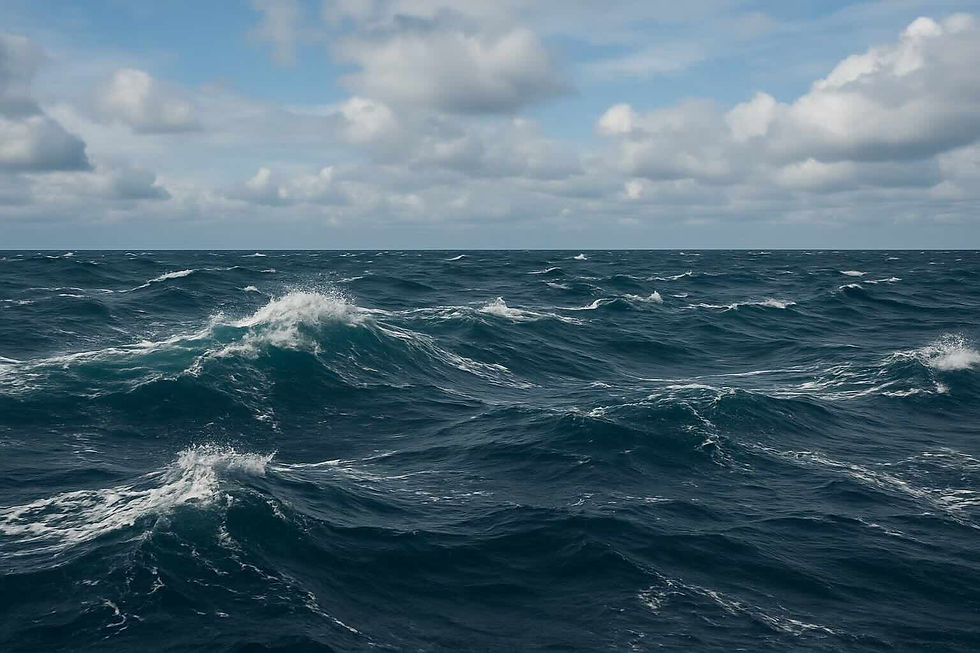
On the water you would expect to see waves 1 - 2 metres with constant white crests.


Comments