top of page

Blog

  • Writer: Breakwater Coaching
    Breakwater Coaching
  • Jan 1
  • 4 min read

Updated: Jan 19

Winter paddling offers a unique experience that combines the thrill of water sports with the beauty of cold-weather landscapes. However, paddling in winter requires careful preparation and the right gear to stay safe, warm, and comfortable. Choosing what to wear and what equipment to bring can make the difference between an enjoyable outing and a risky adventure. This guide covers essential gear tips for winter paddling, helping you prepare for cold water and chilly air conditions.


Winter Kayaker
Winter: keep warm and safe

Dress in Layers for Warmth and Flexibility


Layering is the foundation of winter paddling clothing. It allows you to adjust your insulation and moisture management based on activity level and weather changes.


  • Base Layer: Start with a moisture-wicking base layer made of synthetic fabric or merino wool. This layer keeps sweat away from your skin, preventing chills.

  • Insulation Layer: Add a fleece or synthetic insulated layer for warmth. Avoid cotton as it traps moisture and loses insulating properties when wet.

  • Outer Layer: Use a waterproof and windproof shell, e.g. a Cagoule, to protect against splashes, rain, and wind. Look for breathable fabrics like Gore-Tex to avoid overheating.


⚠️This layering system helps maintain body temperature while allowing you to shed or add layers as needed.


Choose a Kayaking Dry Suit or Wet Suit for Water Protection


Cold water immersion is the biggest risk in winter paddling. Wearing the right suit can prevent or minimise hypothermia if you fall in.


  • Dry Suit: A dry suit keeps you completely dry by sealing out water. It is ideal for very cold water or extended paddling sessions. Pair it with insulating undergarments. Essential for Kayak.

  • Wet Suit: A thick neoprene wet suit traps a thin layer of water warmed by your body. It works well in moderately cold water but offers less protection than a dry suit. Often better choice for SUP.


⚠️Both options require proper fit and seals at wrists, ankles, and neck to prevent water entry.


Protect Your Extremities with Specialised Gear


Hands, feet, and head lose heat quickly and need extra protection.


  • Gloves: Use neoprene or waterproof gloves designed for paddling. Layer thin liners underneath for added warmth. Essential if hands get wet and wind blows cold. A popular alternative for kayakers are Pogies. These are special gloves that slide over the kayak shaft enable your hands to go into a mit whilst still holding the paddle.

  • Boots: Neoprene paddling boots or insulated waterproof footwear keep feet warm and dry.

  • Hat: A thermal hat or neoprene hood protects your head and ears from cold air and water. Consider one that will still fit under a helmet.


⚠️Keeping extremities warm helps maintain overall body heat and dexterity for paddling.


Use a Personal Flotation Device (PFD) Designed for Cold Weather


Safety is critical. Choose a PFD that fits comfortably over your layers and allows freedom of movement. Also know as a Buoyancy Aid.


  • Look for PFDs with adjustable straps and enough buoyancy for your weight (see chart below)

  • Some cold-weather PFDs include insulation. Be sure your PFD goes over all layers no beneath.

  • Bright colors improve visibility in winter conditions.


Always wear your PFD while on the water, regardless of skill level.


Carry Essential Kayking Accessories for Safety and Comfort


Additional gear can improve your winter paddling experience and prepare you for emergencies.


  • Spray Skirt: Keeps water out of your kayak cockpit, essential in cold conditions.

  • Dry Bags: Store extra clothes, food, and electronics in waterproof bags.

  • Thermos with Hot Drink: Helps maintain body warmth during breaks.

  • Whistle and Communication Device: For signaling in case of emergency. VHF and PLB wise. Take a minimum of TWO devices.

  • Paddle Leash: Prevents losing your paddle if dropped.

  • Bilge Pump: To expel small amounts of cockpit water.

  • Spare Paddles: Should your paddle break etc.


⚠️Packing these items ensures you stay prepared for changing conditions.


Choose the Right Paddle and Equipment Materials


Cold weather can affect your gear’s performance.


  • Use paddles with fiberglass or carbon shafts for strength and reduced weight.

  • Avoid metal shafts that can become uncomfortably cold.

  • Consider paddle blades with a shape that suits your paddling style and conditions.


⚠️Proper equipment reduces fatigue and improves control on icy waters.


Plan Your Clothing and Gear Based on Conditions


Winter paddling conditions vary widely depending on location, temperature, and water type.


  • For near-freezing water, prioritize dry suits and heavy insulation.

  • In milder cold, a wet suit with layered clothing may suffice.

  • Always check weather forecasts and water temperatures before heading out.

  • Adjust your gear choices based on wind chill and expected exposure time.


⚠️Being flexible and prepared helps you stay safe and enjoy your trip.


Maintain and Store Your Gear Properly


Winter gear requires care to last through seasons.


  • Rinse dry suits and wet suits with fresh water after use.

  • Dry all clothing and equipment thoroughly before storage to prevent mold.

  • Inspect seals, zippers, and seams regularly for damage. For PFD too.

  • Store gear in a cool, dry place away from direct sunlight.


⚠️Proper maintenance extends the life of your gear and ensures it performs when you need it.


  • Writer: Breakwater Coaching
    Breakwater Coaching
  • Sep 16, 2025
  • 3 min read

Environmental definitions is a term coined by Paddle UK to define certain aspects of paddling environments to help frame the responsibilities and working remits for coaches and leaders.

While there may some scenarios that don’t fit neatly into a category, they still provide a useful framework to categorise paddling environments.


There are 4 primary environment categories:


Very Sheltered Water: These are quiet canals with easy bankside access and egress; small lakes, which are not large enough and do not have difficult landing, where problems could occur if there is a sudden change in conditions; gentle, slow-moving rivers. The definition implies weather conditions that are not in themselves likely to cause problems.

At any point, the paddler should not be more than 50 metres from the bank. Enclosed swimming pools are also defined as very sheltered water environments.

On the water you would expect to see very small waves of 4 inches

The number of single craft a deployer can take out alone is 8.


Sheltered Water: Ungraded sections of slow-moving rivers where the group could paddle upstream against the flow (not involving the shooting of, or playing on, weirs or running rapids). Areas of open water (e.g. lakes and lochs) where the paddlers are no more than 200 metres offshore and the wind strength does not exceed Beaufort force 3 (13mph), avoiding the group being swept/blown out of the safe working area.

Slow moving estuaries (less than 0.5 Knots). Examples: Small enclosed bays, enclosed harbours where there is minimal possibility of being blown offshore, defined beaches with easy places to land throughout, no tide races, overfalls or surf.

On the water you would expect to see waves up to 18 inches with no white crests

The number of single craft a deployer can take out alone is 8.


Moderate Water: Inland: Large areas of open water that exceed the sheltered water definition, where the paddlers are no more than 500 metres offshore and in wind strengths that do not exceed Beaufort force 4 (18mph).

White Water: Grade 2(3) white water or equivalent weirs.

Sea: A stretch of coastline with some areas where it is not easy to land but there will always be straightforward land points a maximum of two nautical miles apart. Crossings not exceeding two nautical miles. Up to 2 Knots of tide (but not involving tide race or overfalls). Wind strengths do not exceed Beaufort force 4. Launching and landing through surf (up to 1 metre, trough to crest height).


Surf: Sections of sandy beaches free from significant hazard (e.g. rocks and strong rips) and easy access. Gentle, sloping and spilling waves, preferably peeling. Not pitching or dumping. Wave height should be no more than double overhead when seated in a kayak in the trough of the wave (head high for a stand up paddlerboarder).

On the water you would expect to see waves up to 1 metre with occasional white crests.

The number of single craft a deployer can take out alone is 6.


Advanced Water: Large areas of open water which exceed Moderate Inland Water and/or have winds in excess of Beaufort force 4 (18mph).

White Water: Grade 3(4) white water for canoe. Rivers up to and including grade 4 for kayak.

Sea: Any journey on the sea where tidal races, overfalls or open crossings may be encountered and cannot be avoided; sections of coastline where landings may not be possible or are difficult; winds above Beaufort force 4; launching and landing through surf (up to 1.5 metres trough to crest height).


Surf: Reefs, points, offshore breaks and sandy beaches, which may have significant hazards (e.g. rocks, strong rips, etc.) and may be remote and/or have difficult access. Waves may be powerful, steep, pitching, fast, hollow and heavy. Up to and above double overhead when seated in a kayak in the trough of the wave.


The number of single craft a deployer can take out alone is 4.

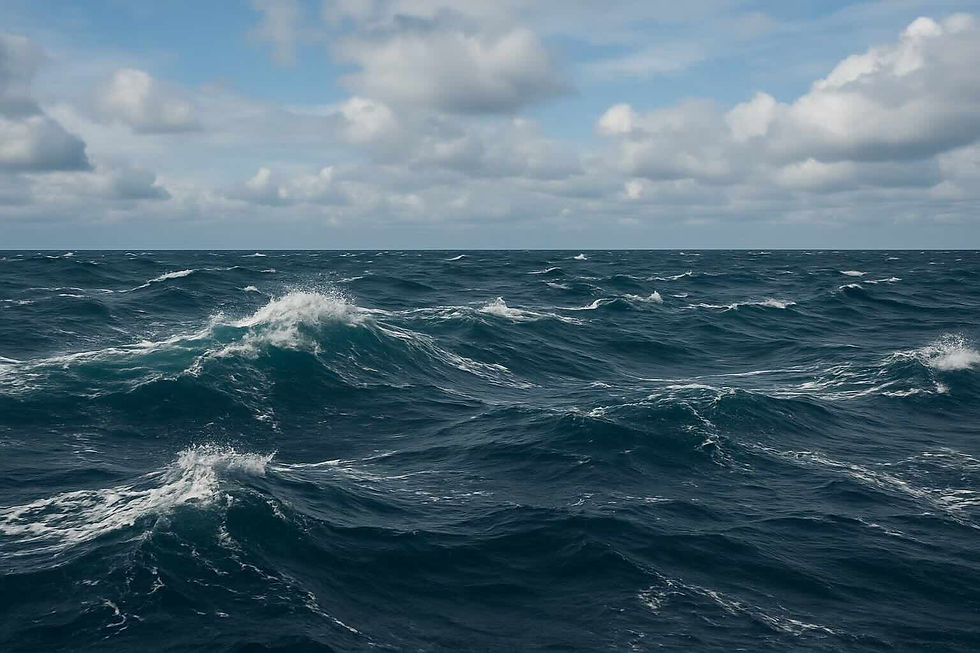
On the water you would expect to see waves 1 - 2 metres with constant white crests.


Updated: Sep 6, 2025


Two paddleboarders on calm blue water in front of a rocky arch. Beachgoers relax on a sunny beach under a clear blue sky.


First up, this is not a how to guide, or set of instructions of how to paddle from Lulworth Cove to Durdle Door. It is a set of experiential guidelines that might assist some paddlers, who have the required competence and ability to paddle this stretch of the Jurassic coast.

It’s not possible to provide a more comprehensive set of guidelines, as it requires one to have detailed knowledge of navigation and tides. Points to consider:


  • The distance between the spots is not hugely far, about 2.5km. So you have to decide if you will paddle a 'there and back' route, or have to carry your equipment up the hill to the car park at Durdle Door.


  • Are you able to paddle on a river or lake 8-10km distance or more? Since this will/may start to equate to the stamina needed to paddle 5km on the ocean.


  • Have you checked, and have the knowledge to understand the forecast?


    You are looking for, at minimum, on-shore wind patterns; in other words the wind is blowing towards the coastline (a southerly wind). The exception to this might be if you are paddling in only one direction, in which case you may favour a cross wind, e.g. the wind blowing in the direction you are paddling.


Onshore forecast looks something like….


Map of Lulworth Cove shows contour lines, labeled areas, and onshore wind. Below, a weather forecast for Wednesday shows sun and clouds.


  • The currents are not potent on this section of the coast, compared to further along east. On ‘average’ they will reach approx. just 3km/h. However, when this is combined with a crosswind behind you,  your overall assistance will be increased. For instance, the combined effect of 5kph wind and 3 kph of tide, will ‘boost’ you to something more.


  • With regards to acceptable wind speed, this is a very specific metric, and acceptably different according to ability/experience. As an average measure, anything above 10mph or 16kmh would be reserved for the experienced. But this is a thumb rule.


The challenges of paddling Lulworth Cove to Durdle Door include but aren't limited to:


o   The land-able points at high tide between these points are far and few between. What will you do if there is an issue between them?


o   While the wind and its direction might be acceptable, the ocean works in a complicated way. Ocean swells may well drift in towards the coast creating challenging conditions. It’s exacerbated when these swells bounce off the cliffs in a process known as clapotis. It  creates a messy water in the area just off the cliffs, perhaps up to 20m off.


o   The wind can change without warning, or the forecast can be delayed. If you can’t get out, you may end up getting blown back to the Cove


BOTTOM LINE: If you are in any doubt about how to interpret the weather and/or your ability, then either don’t go that day, or employ a guide such as ourselves (book here: Guided Trips), to accompany you.


Offering Paddle UK Personal paddling Awards

Join us on an adventure!

Breakwater Coaching 2019-2026 ©

Paddle UK Delivery partner offers Paddling courses and qualifications
bottom of page